Discover if FMCG distributorship remains profitable in 2026. Learn about food and beverage distribution business opportunities with Appointdistributors.
Is Food & Beverage Distributorship Still Profitable in 2026?
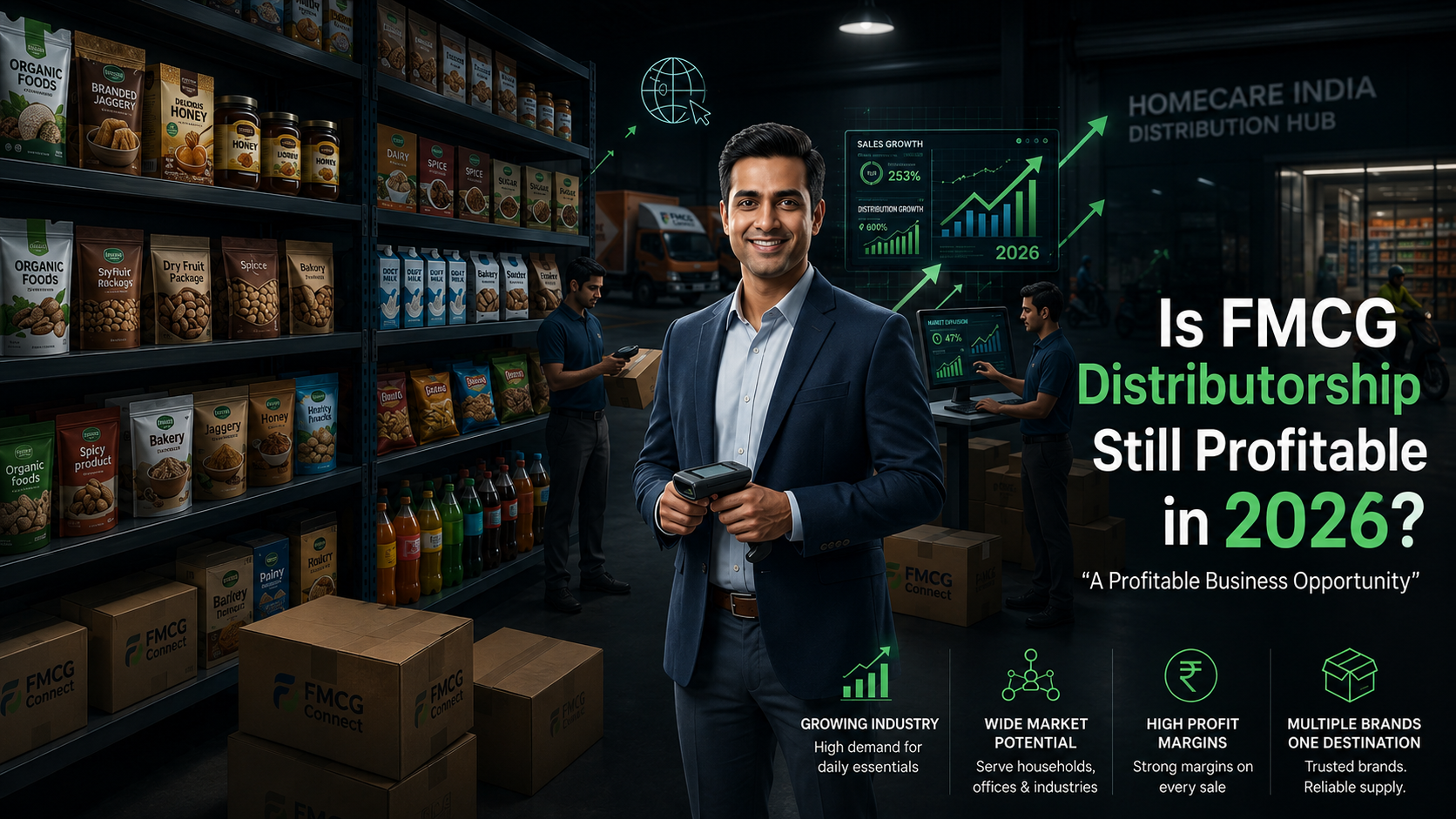
The FMCG sector in India is still a big deal for businesses, and a lot of people wonder if getting into distributorship for food and beverage stuff makes sense in 2026. I mean, the short answer seems like yes, but things have shifted a bit from how they used to be. If someone is thinking about becoming a distributor for food products, they should probably look at what's changed in the market. The opportunities haven't vanished or anything; they've just gotten more complicated.
The Changing Reality of FMCG Distribution
In the food distribution business today, it's still going strong, but competition is everywhere, and you have to be sharper about how you run it. As an FMCG distributor, its not just about shipping goods around anymore. You deal with relationships, logistics, what consumers want, and even going up against online platforms. Direct sales to customers and those grocery apps have changed how distributors of food and beverages work. It doesn't kill the chance, though; it just means picking the right categories and areas to focus on. I think the ones who do well are those who stick to a niche in the market instead of spreading too thin.
Why Demand for Food & Beverage Products Keeps Growing
Demand for these products keeps coming because people in India need food, drinks, and basics every day. That steady pull supports distributorship in food and beverages. Consumers are getting more into quality things now, like organic foods or specialty items such as jaggery productsand healthier options. This creates openings for distributors who target those. Even in smaller towns, theres expansion happening with demands for better products. If you set yourself up as a food distributor there, it could work out.
Fast-Growing FMCG Categories in 2026
Specialty areas are picking up too, like dry fruits and nuts, honey products, cooking spices, and masala. Bakery items, snacks, and namkeen, plus milk and dairy, keep moving in good volumes. Organized retail is growing with chains and quick delivery spots that need reliable distributors to fill shelves. The base feels solid, but execution against others is what matters.
Which FMCG Categories Are Most Profitable?
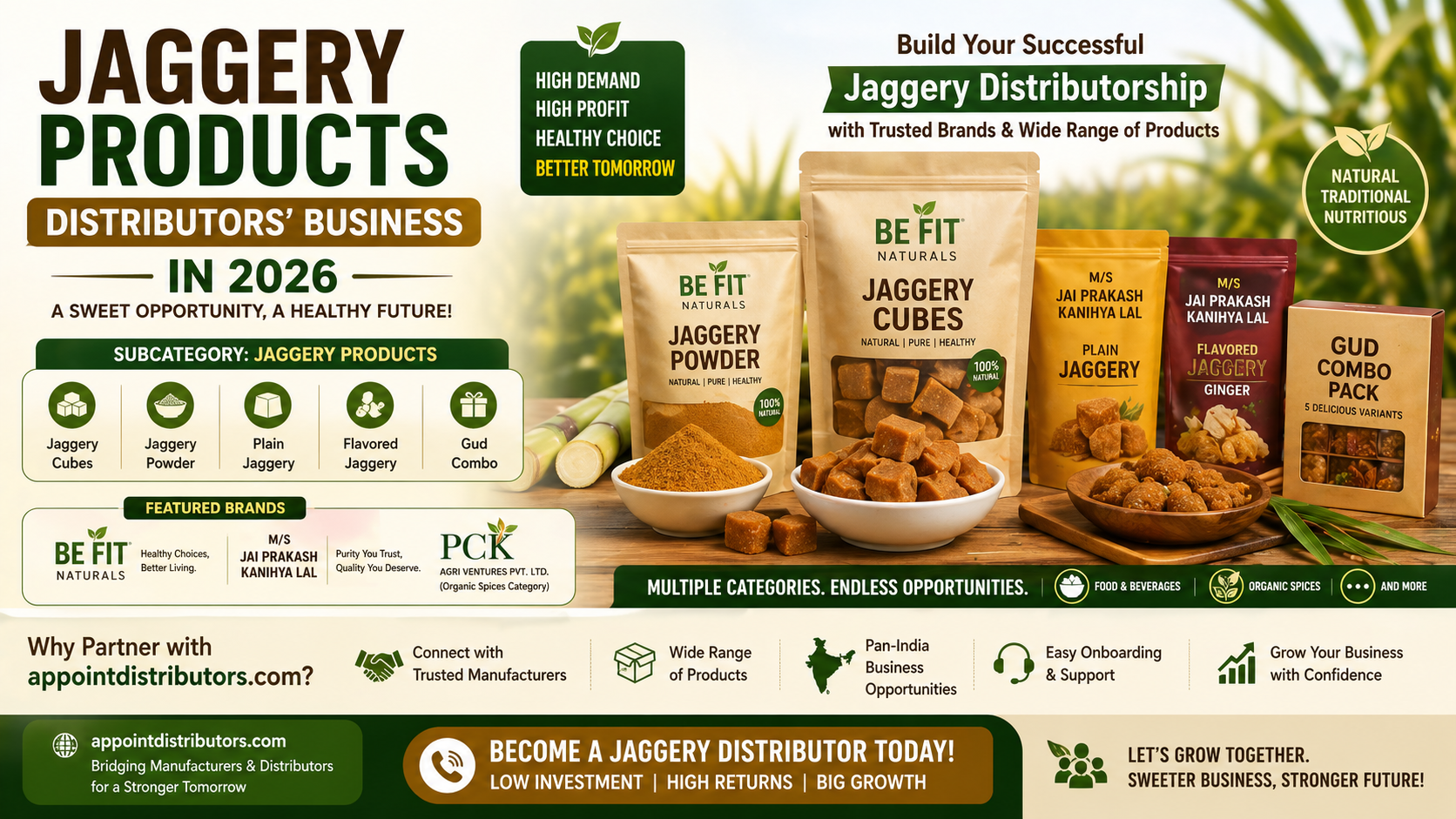
Not every category does the same. Organic foods are still growing even with more rivals since health-focused buyers pay for good stuff, leaving room for specialists. Jaggery and traditional sweeteners fit regional tastes and health trends, so there is less price fighting if you commit to them. Bakery products have steady demand in cities and nearby areas, though you need to handle freshness and logistics right.
Dry fruits and nuts go beyond just seasons now, with year-round buying that brings regular money for distributors. Snacks and namkeen move fast and turn over inventory quickly, which helps cash flow in the food business. Milk and dairy need solid supply chains but give reliable repeats, which is good for beverage and regional distributors. Honey has spread out from old uses, and people seek quality brands there. Cooking spices and masala are staples in kitchens; demand never stops, but you succeed through picking brands and building supplier ties, not just market size.
Profit Margins & Challenges in FMCG Distribution
Profitability is tougher now for FMCG distributors; margins are squeezed from competition, so you push for more volume or specialize to keep returns decent. Logistics costs hit harder, with transport and storage affecting profits directly. The smart ones optimize that and come out ahead; others lag. Brands get picky about partners, wanting those who know the market well.
How E-Commerce Is Changing Distribution
E-commerce ties in now, even for traditional setups, distributors who get it adapt quicker. Focusing deep on your region beats trying to cover everywhere. Instead of broad state coverage, know your spot inside out.
How Appointdistributors Helps FMCG Distributors
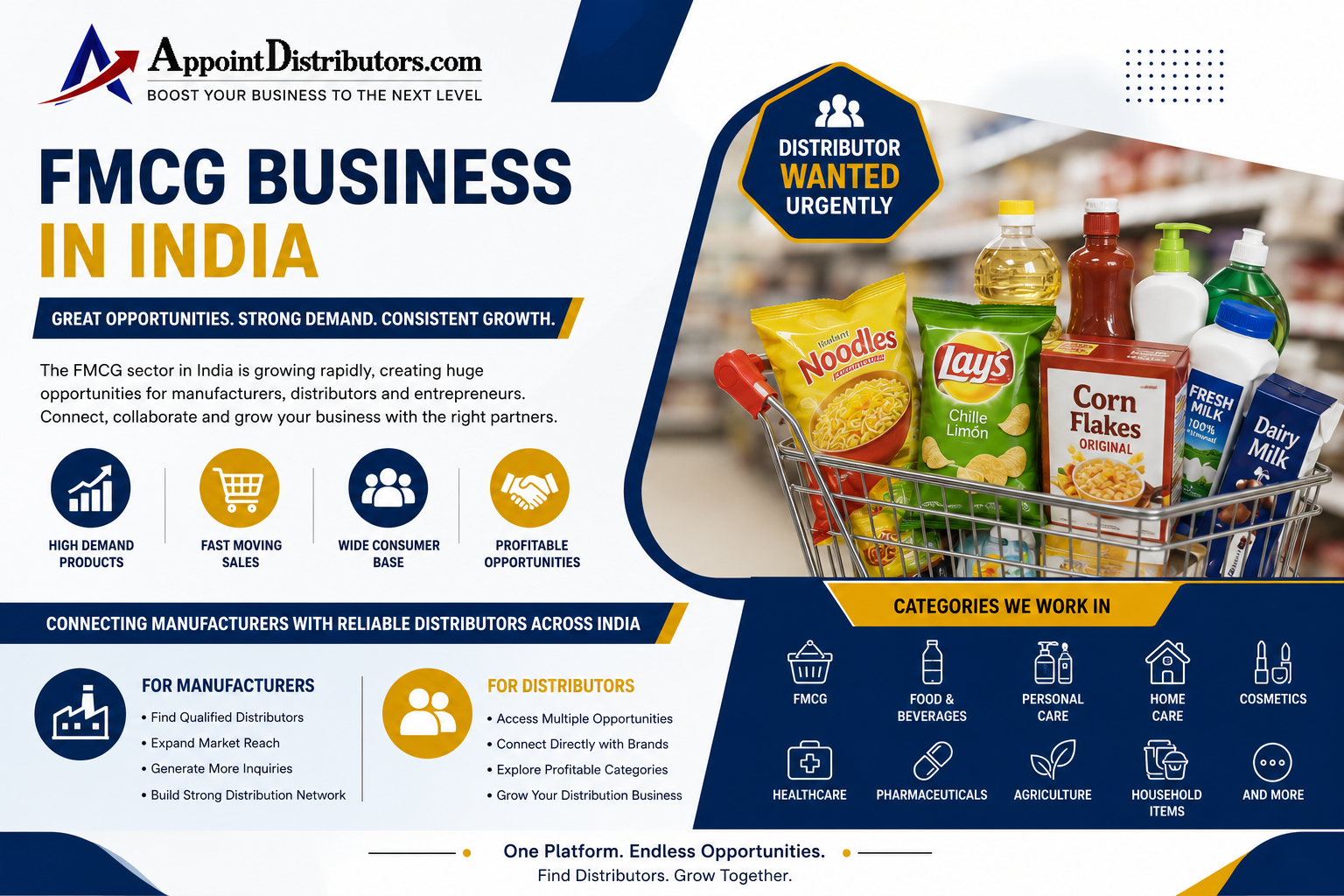
Platforms like AppointDistributors are helping change connections between distributors and brands in food and beverage areas. They give direct access to companies looking for distributors, so no endless calling manufacturers. You browse chances from various FMCG brands in your zone. Partnerships come prechecked, linking food product distributors to serious ones, cutting risks with shaky suppliers.
They offer guidance on needs, market info, and operations support, stuff youd usually puzzle out solo in the distribution business. The terms are clear upfront; there's no guessing what brands want from partners. You can find regional or national names, from big ones to growing locals, in organic foods, jaggery, honey, or other specialties. For distributors, it means less hunting and more doing the actual work.
Food & Beverage Distribution Opportunities in Nepal
Beyond India, FMCG distribution is spreading, like in Nepal where food distributors, beverage ones, and overall FMCG are picking up as areas develop. For food distributorship in Nepal or beverages there, chances are there but you need to grasp local rules, tastes, and cross-border logistics. Some Indian firms import products into Nepal, opening spots for experienced distributors who handle regional stuff. Its a smaller but building part of the food business.
What Makes a Distributorship Successful in 2026?
The real check on if distributorshippays off in 2026 comes down to how you run it, not just the market. It works if you pick a category to really know, target a place with your connections, match brands to your skills, streamline supply chains, and treat it as relationships over quick deals.
It flops if you grab everything at once, jump into crowded spots with big players, ignore logistics needs or capital, stick to old ways, or skip discipline on inventory and schedules.
Final Verdict: Is FMCG Distribution Worth It?
Food and beverage distribution stays viable, but its pickier now. Success goes to specialists over generalists. If considering this, begin with one category like organic foods, jaggery products, bakery, dry fruits and nuts, snacks and namkeen, milk and dairy, honey, or spices, based on what you know locally.
Look into your area for demand, rivals, and setup. Check platforms like AppointDistributors for fitting partnerships. Figure your own numbers with real margins and volumes for your spot and type. Test small with limited items before going bigger. Its still a go in 2026, but only with clear choices on what, where, and better execution than others.
Can Beginners Start FMCG Distribution Without Experience?
On starting without experience in 2026, yes but tougher. Sales or supply background helps a ton. Fresh starters should team with knowers or brands that guide operations. Appointdistributors links new folks to seeking brands for food and beverages.
Best FMCG Categories to Start With in 2026
Best categories now lean to specialties like organic, jaggery, honey, dry fruits and nuts, over basics like spices. They grow, have fewer rivals, and buyers care about quality. But snacks, namkeen, dairy give steady fast turns.
Why Distributor Platforms Matter Today
Platforms like that connect distributors straight to brands, skip independent searching, show requirements, resources, vetted ties, less guesswork for starting or growing distributorship.
Is FMCG Distribution Growing in Nepal?
In Nepal or regions, yes but not like India. Food, beverage, and FMCG distributors there grow with development. Willing ones learn rules and logistics. Imports from India create specialized roles for pros in food and beverage distribution.