Starting FMCG Distribution in 2026 | Real Guide for Distributors | AppointDistributors
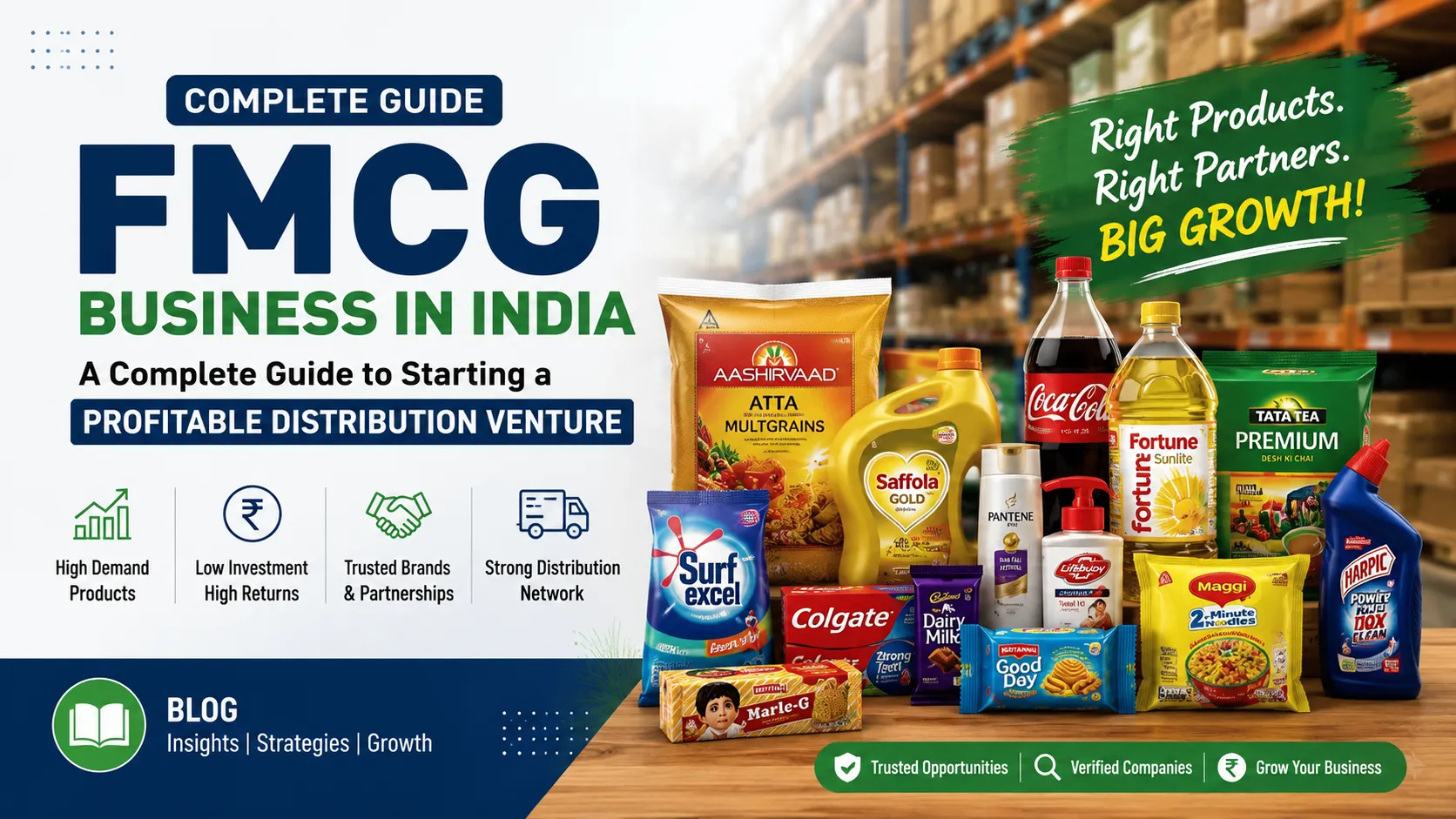
The Distributor's Reality Check: What You Actually Need to Know
Let me tell you something straight: distribution isn't glamorous. Nobody writes LinkedIn posts about their "distribution journey." There's no hype. No viral moments. Just products moving from A to B, day after day.
And that's exactly why it works.
I've been thinking about why so many people get distribution wrong, and I think it comes down to one thing—they expect it to be something it's not. They think it's about being a middleman, taking a cut, and sitting back. That's not how this works. Not anymore.
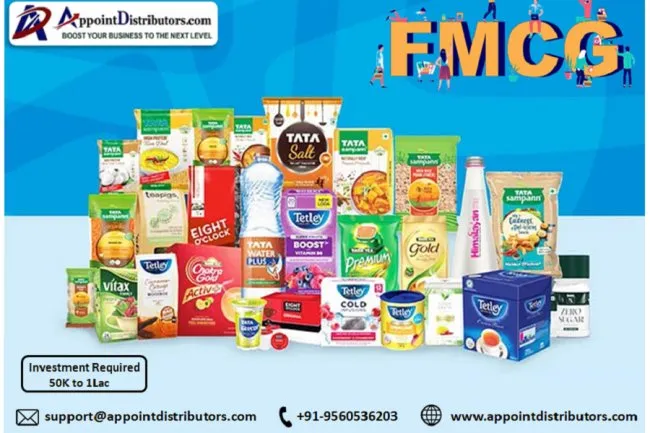
The real FMCG distribution business is about understanding what manufacturers need and what retailers desperately want and becoming so reliable that both sides can't live without you.
What's Actually Changed Since Last Year?
Here's the thing nobody talks about—distribution got harder and easier at the same time.
Harder because retailers now have options. They can work with multiple food and beverage distributors. They're not stuck with whoever showed up at their door. They can switch, compare, and negotiate.
It's easier because manufacturers and distributors finally found a way to actually connect without wasting six months. That sounds simple, but it changes everything. You're not cold-calling anymore. You're not hoping someone gives you a chance. Platforms actually connecting food product distributors with manufacturers mean you can start building partnerships in days instead of months.
Retailers are also more demanding about consistency. They don't want surprises. They want food products distributorship partners who show up on time, every time, with what they promised. That's not hard—it's just not optional.
Why Manufacturers Are Actually Looking for You
Here's something distributors don't realize: manufacturers are desperate for good partners right now.
Big companies can't reach every small retailer. Regional brands don't have massive sales teams. Direct-to-consumer brands need logistics they don't have. They all need food and beverage distributors who understand their region, know the retailers, and can actually move products.
This is where you come in. You're not just moving goods. You're solving a real problem. You're the connection between what gets made and what gets sold.
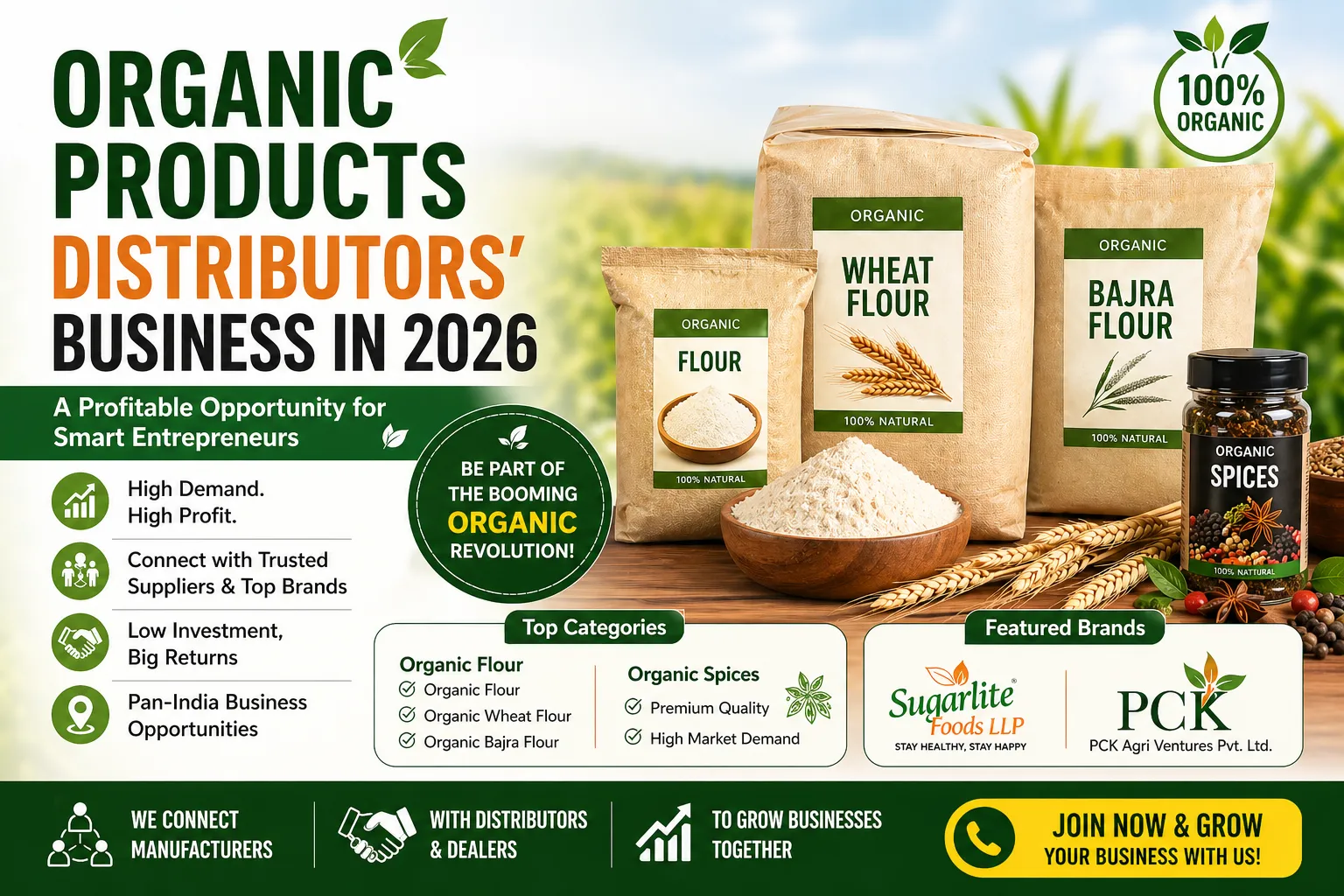
Whether it's organic product distributorship, dairy product distributorship, snacks and namkeen distributorship, or honey product distributorship . Manufacturers need someone who gets their category and can push it.
The Subcategories That Actually Have Demand
Stop thinking about generic FMCG. That's not where the opportunity is.
Organic product distributorship is booming because consumers actually care. They'll pay attention, ask questions, and come back to retailers who stock good organic brands. That's loyalty. That means retailers will work with you.
Bakery products distributorship is growing because people want fresh, artisanal stuff now. Not just mass-produced bread. Specialty bakery items, health-focused options, regional brands. Retailers want reliable partners who understand this category.
dry fruits and nuts distributorship isn't good, but it's solid. People buy regularly. Demand is predictable. Quality matters. That's the kind of category where you build a real business.
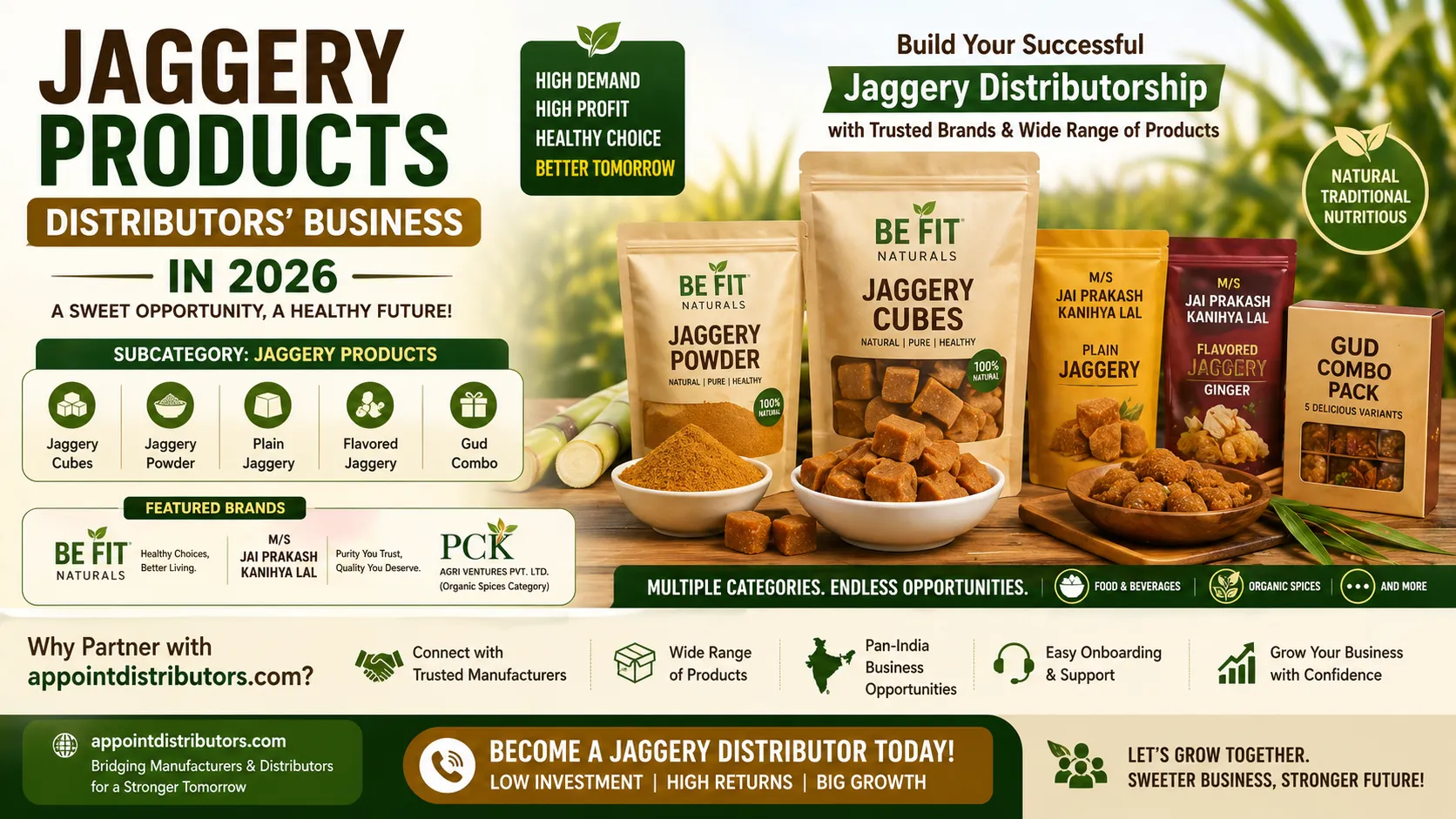
Then you've got jaggery product distributorship, milk and dairy product distributorship, and honey product distributorship—these are all categories with real customer demand and loyal buyers. A fresh vegetables and fruits distributorship requires better logistics but offers consistent volume. Snacks and namkeen distributorship is competitive but have room for focused distributors.
The point is to pick something. Own it. Become the expert in that category. That's how you win.
What Retailers Actually Want (And It's Not What You Think)
Retailers don't care about your story. They don't care how passionate you are about distribution. They care about three things:
One: Reliability. Does your stuff arrive when you say it will? Is it in good condition? Every single time? If yes, you've won half the battle.
Two: Variety in Your Category. If you're doing organic product distributorship, can you bring them multiple brands? Multiple price points? That makes you valuable. You're not just a delivery service—you're a sourcing partner.
Three: Support. Can you help them understand products? Can you advise on what sells? Can you replace things that don't move? That's when you become irreplaceable.
Everything else—your personality, your hustle, your story—matters way less than those three things.
The Nepal Opportunity Nobody's Talking About
If you're thinking about where to build something, FMCG distributors in Nepal and similar markets are in a genuinely good position right now.
Here's why: The market is growing, but it's not saturated. Food and beverage distributors in Nepal can actually build real relationships with retailers because they're not competing with massive corporations. Food distributorships in Nepal still rely on personal relationships and reliability.
That means if you show up, do good work, and stick around, you build something substantial. Try that in a megamarket, and you're competing on who can undercut who . Try it in Nepal, and you're competing on who can actually serve better.
Beverage distributorships in Nepal are expanding because consumption is growing. FMCG distributorships in Nepal have room to grow. This isn't hype—it's just reality.
The window is open now. It probably won't be in five years.
The Mistakes People Actually Make
Let me be direct about what kills distributors:
Trying to do everything. You can't be the distributor for every product category. You'll spread yourself thin, make mistakes, and nobody will trust you for anything. Pick one category. Master it.
Assuming relationships happen automatically. They don't. You have to build them. Consistently. Show up. Deliver. Follow up. That's the work.
Underestimating logistics. You think you can use bad logistics and make it up with personality? No. Bad logistics destroy everything. Your reputation, your retailers' trust, your own margins. Get logistics right.
Not having backup. What happens when your transport breaks down? When a supplier delays, You need contingency plans. Always. Retailers don't care about your problems.
Chasing every opportunity. Just because a manufacturer wants distribution doesn't mean you should do it. If it doesn't fit your category or your logistics, say no. Stick to your lane.
How AppointDistributors Actually Helps
Look, finding manufacturers used to be painful. You'd spend weeks hunting for contacts, calling people who didn't want to hear from you, and getting rejected repeatedly.
AppointDistributors (appointdistributors.com) removes that friction. Manufacturers who need food and beverage distributors are actively looking. FMCG distributors who want partnerships are there. You connect directly.
It's not magic. It's just removing the time waste that shouldn't be there. Whether you're chasing organic product distributorship or snacks and namkeen distributorship, you can find real opportunities in days.
For manufacturers, it means faster distribution network building without long sales cycles.
The Real Opportunity
Distribution isn't the sexiest business. It won't get you on podcasts or make you Instagram famous.
But it works. It's sustainable. It solves real problems. And right now, in 2026, the conditions are actually better than they've been. Reliable partners are hard to find. Retailers are tired of dealing with unreliable distributors. Manufacturers need good partners. There's actual room to build something.
The question isn't whether FMCG distribution is a good opportunity. It is. The question is whether you're serious enough to actually do the work it requires.
Real Questions Distributors Actually Ask
Q1: How do I know which product category to focus on?
A: Pick something you can be consistent about. Look at your region—what do retailers actually need that they're struggling to get? What category has growing demand? What can you commit to long-term? That's your answer. Don't chase whatever seems trendy. Pick sustainable demand.
Q2: What's the biggest mistake new distributors make?
A: Thinking they can be everything to everyone. You try to distribute organic foods, beverages, snacks, dairy—everything. You spread yourself thin, miss deadlines, lose trust. Pick one category. Master it. Then expand after you've built something solid.
Q3: How do I actually find manufacturers to work with?
A: Network, reach out directly, attend trade shows. But honestly? Platforms like AppointDistributors (appointdistributors.com) now make it way easier. Manufacturers are actively looking for food and beverage distributors. You can connect without wasting months.
Q4: What matters most—connections, capital, or logistics?
A: Logistics. You can build connections over time. You can start small on capital. But if your logistics is bad, nothing else matters. Retailers need reliability. That's your foundation.
What's Your Reaction?